IPv4 and IPv6 are two generations of the same addressing scheme, and a proxy built on one behaves differently from a proxy built on the other. Two things decide which one you want: whether your target site answers on the newer protocol, and what you are willing to pay per address.
What Is a Proxy Server?
A proxy is a relay between you and the site you are reaching. Your request goes to the proxy, the proxy passes it on, and the answer comes back the same way. The site logs the proxy address instead of yours.
That single mechanism covers most of what people buy proxies for: hiding the source address, reaching content that is served differently by region, and spreading a large number of requests across many addresses so no single one hits a rate limit.
What Are IPv4 Proxies?
IPv4 uses 32-bit addresses, which caps the total at roughly 4.3 billion. The regional registries ran out of free blocks years ago, and the remaining addresses now change hands on a secondary market. That scarcity is what you pay for.
What you get in return is reach. Every site, every API and every piece of software written before roughly 2010 speaks IPv4. When something has to work and you cannot check in advance whether it supports the newer protocol, IPv4 is the answer that lands.
What Are IPv6 Proxies?
IPv6 uses 128-bit addresses. The pool is large enough that registries hand addresses out freely, and that is why an IPv6 proxy costs a fraction of an IPv4 one. For work measured in hundreds or thousands of addresses, the price difference decides the budget on its own.
The catch is reach. A site has to support IPv6 before an IPv6 proxy can get to it, and adoption is uneven. Google, Yandex, Yahoo and Bing all answer over IPv6. A great many Russian services, most banks and a fair number of large platforms still do not.
Key Differences Between IPv4 and IPv6 Proxies
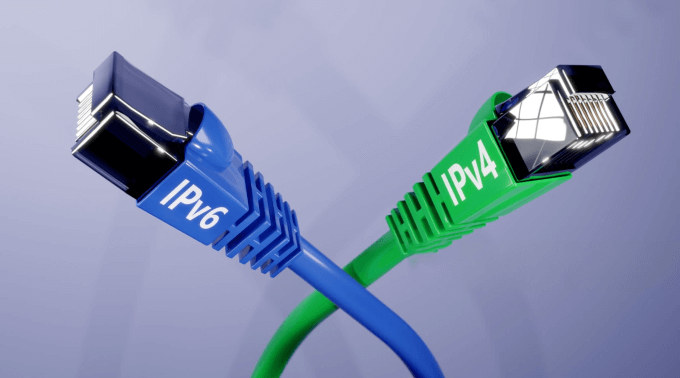
- Address format. IPv4 writes four numbers, as in 192.168.0.1. IPv6 writes eight groups of hexadecimal, as in 2001:0db8:85a3::8a2e:0370:7334. Some software accepts only the first form, which is a reason to check before you buy.
- Price. IPv4 costs several times more per address, and the gap widens as the order grows.
- Reach. IPv4 gets everywhere. IPv6 gets to the sites that enabled it.
- Ban history. IPv4 blocks have been recycled between owners for years, so an address may carry somebody else's past. IPv6 pools are large enough that most addresses arrive with nothing behind them.
- Speed. In practice the two are hard to tell apart. You will read that IPv6 is faster because it skips NAT; the saving is real and it is far too small to notice on a page load.
A Note on IPv6 and Security
One claim follows IPv6 around and deserves correcting. IPv6 does not encrypt your traffic. The original specification made IPsec mandatory to implement, which is where the story started, but RFC 6434 relaxed that to a recommendation back in 2011, and nothing turns it on by default.
Encryption is the job of the protocol you run through the proxy. On the web that means HTTPS, and it protects you identically over IPv4 and IPv6. Pick your protocol on price and reach, not on a security property neither one gives you.
Which to Choose
Take IPv6 when your targets support it and you need volume. Search engines, SEO tooling and large scraping runs are the usual fit, and the cost per address is what makes those jobs affordable.
Take IPv4 when compatibility decides the outcome: VK, OK.ru, older software, anything you cannot test beforehand. You pay more per address and you stop worrying about whether the other end will answer.